Currier gave a 45 minute presentation on climate and energy policy at the Annual Youth Assembly, and in this brief excerpt touches on Earth system self-regulation.
This is from the first movement of Currier's piano sonata From the Grotto, which is titled Theory of the Enlightenment (from afar). From a New World Records recording.
This is from the last movement, which is titled Dirty Humor (or living with pollution).
Initially intended to be a new music series focusing on the collapsing "middle ground" of new music, it became a single intense event, held on the nightmarish evening Trump was elected president, with sixteen American composers music woven together by Currier to depict the catastrophe of our 'Weimar America.' The full website is at www.orchardcircle.com.
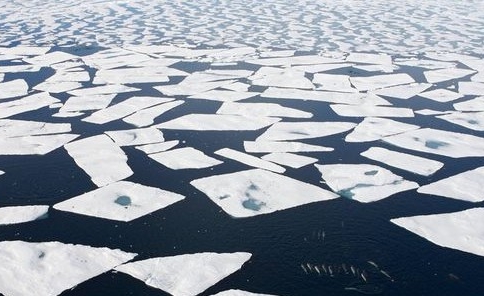
Gore created an internet-based event, live streamed by 8.5 million around the world, with presentations coming globally from all 24 time zones, interlaced with guest panelists. In New York,just before Gore's final presentation, a panel discusses the state of Greenland.
After the New York Times referred to Nathan Currier's Gaian Variations as 'mostly pseudoscientific,' the composer engaged in a variety of activities to increase public understanding of Earth System science. Currier served as Senior Climate Adviser and methane specialist for Public Policy Virginia. He has spoken on climate at United Nations headquarters, UNICEF headquarters at the United Nations, Columbia University, NYU and others, and was a member of Al Gore’s Climate Reality Project at its beginning. Currier immersed himself in what became a primary focus - the potential for methane and other short-lived species to play a key role in controlling near-term warming and Arctic change for the coming decades. He was a guest panelist for the first of Gore's “24 Hours of Reality”, viewed by some 8 million live streaming. Currier wrote for several years on methane and other climate concerns for the Huffington Post. He started a climate group, 1250, focused on methane and near-term climate. He was also a founding member of the London-based Arctic Methane Emergency Group, which twice presented before the UK Parliament. Currier had a number of meetings with Senator Sheldon Whitehouse (D-RI) and his staff regarding methane policy.
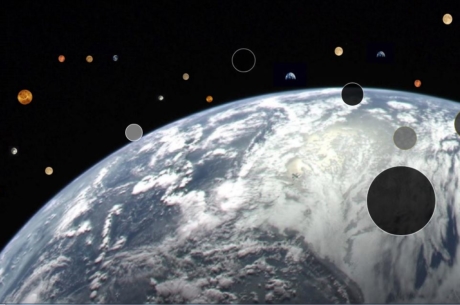
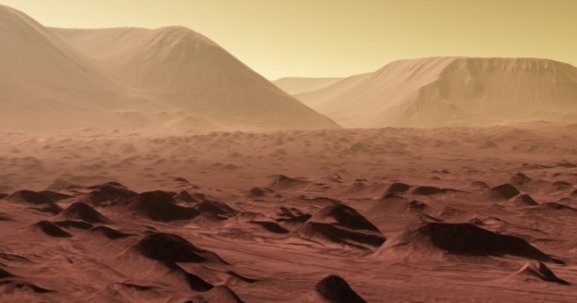
Currier has advocated for a broader understanding and recognition of Gaia theory, or Earth System science, as being necessary for any viable path forward in response to climate change. He co-authored Life's Tectonics with NASA scientist Paul D. Lowman (see above), which brings a 'comparative planetology' viewpoint to our planet. In particular, recent data from Mars has helped confirm its lack of Earth-style tectonics, highlighting in turn the role that water, and life, have likely played in the tectonics of our home - helping to yet again underscore how, as Vladimir Vernadsky asserted, "Life is a geological force."
This website is devoted to showcasing the interrelationships between Nathan Currier's mixture of musical creativity and his pursuit of Nature.
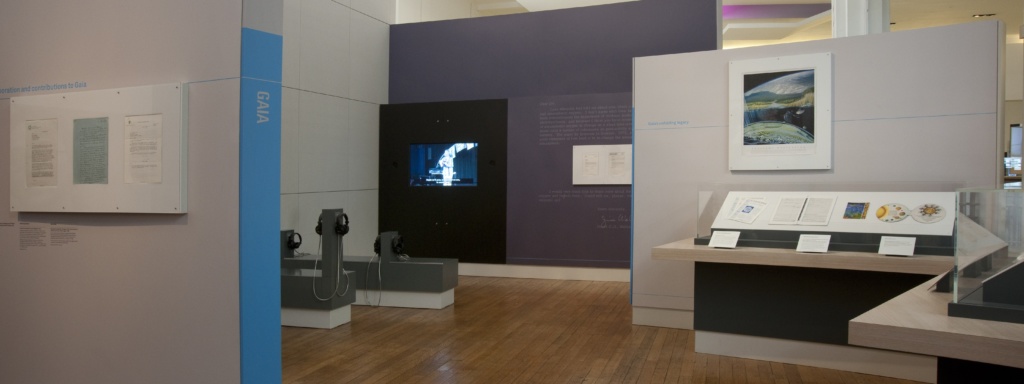
Nathan Currier Gaian Variations at the London Science museum, "Unlocking Lovelock: Scientist, Inventor, Maverick."